Back

Experience Matters: How The Russley's Care Team Sets the Standard for Aged Care in Christchurch
Aged Care Christchurch
Choosing an aged care residence is one of the most significant decisions a family makes together. It's a choice that sits at the intersection of practical considerations (clinical capability, location, contract structure) and far more personal ones: Will my parents feel at home here?
At The Russley Village in Burnside, Christchurch, the answer to the above question is shaped by something that can't be retrofitted or rushed: experience that comes not just from years on the floor, but how that experience shapes the way the team approaches every resident.
This article explores how The Russley's care team - based at the award-winning Ashley Suites delivers a high standard of personalised care, the clinical and lifestyle innovations the team has built into daily life, and what to look for when you're comparing options for someone you love.
Why Experience Matters in Aged Care
Aged care is a profession where small details carry significant weight. The difference between a resident enjoying their day and a resident becoming withdrawn can come down to whether a carer noticed they didn't finish breakfast, remembered that they prefer their tea before their toast, or knew that a particular song lifts their mood.
This kind of insight isn't in a clinical handbook. It comes from spending time with people, paying attention, and working in a model of care that gives staff the time and structure to do both.
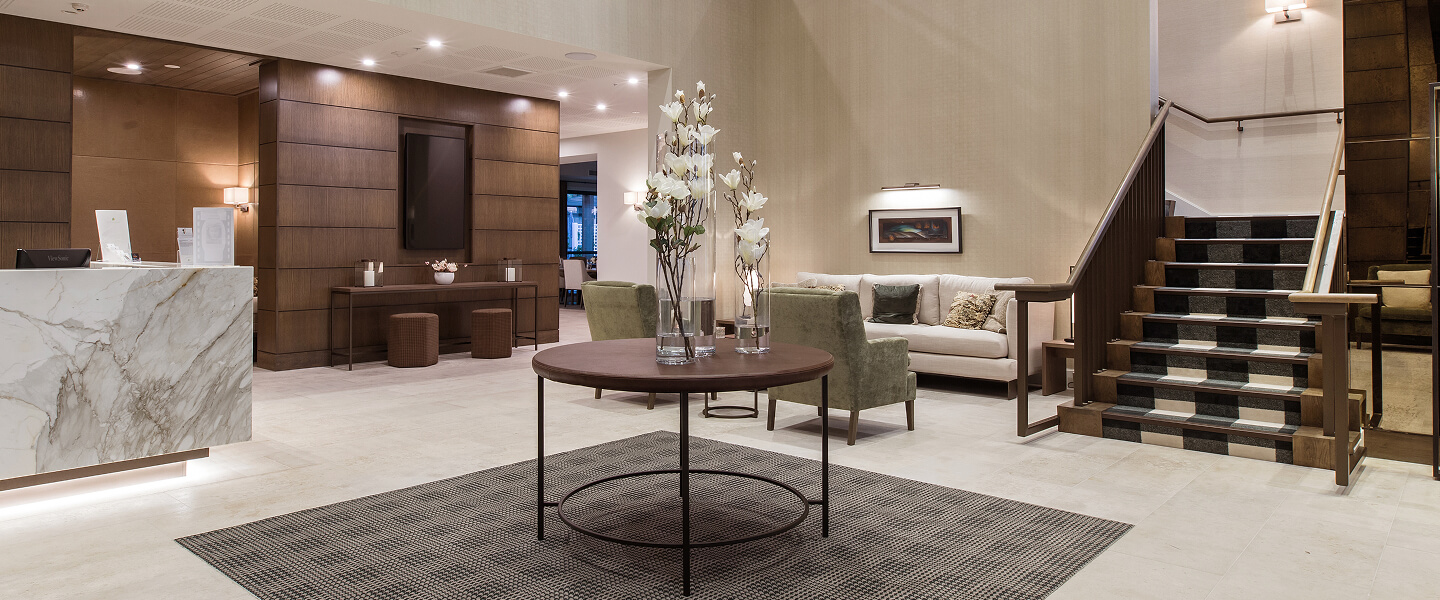
At The Russley, the care team operates within Ashley Suites, a 44-suite residence offering rest home and hospital-level care. The facility was the winner of the Built and Grown Environment Award at the recognised New Zealand Aged Care Association Excellence in Care Awards for how its design, quality, and refreshed approach to residential aged care delivers positive clinical outcomes for residents.
You can watch and hear directly from the award-winning team at Ashley Suites about their approach in the official Ashley Suites video here.
Personalised Care In All Aspects
Residents take the lead in their lifestyle, supported by a collaborative approach between clinical staff and family. The extra time, effort and energy required to genuinely engage in this model of care has, by the team's own measure, delivered significant outcomes that enhance the daily life of both residents and staff. In practice, this means small but meaningful things: residents choose from a range of menu options at every meal rather than receiving a set plate; they can adjust the temperature in their suite individually; they have personal storage built into each suite for the objects, photographs, and mementoes that make a room feel like home.
It's a philosophy that recognises something important, that protecting choice and routine is part of the clinical work, not separate from it.
How the Team Uses Therapy Thoughtfully
Experience in aged care isn't just about doing things the way they've always been done. The Russley's care team has been deliberate about adopting ways to improve every resident’s wellbeing.
Two programmes specially stand out:
Hydrotherapy. The village's aquatic facilities form an integral part of the care programme, providing a safe and effective environment for exercise and rehabilitation. Many Ashley Suites residents take part in regular hydrotherapy sessions, which help reduce pain, improve mobility, and increase general wellbeing.
Pet Therapy. Run in partnership with the Community Pets Therapy programme, these sessions allow residents to interact with animals on a regular basis, something the team has seen reduce anxiety and lift mood. Families are also encouraged to bring their own pets when visiting.
Each of these programmes is woven into a wider activity calendar developed by the team's Activities Coordinator and Diversional Therapists, with input from the in-house Physiotherapist.
Care That Stays Connected to the Wider Village
One of the things that distinguishes Russley's approach to residential care is that it doesn't isolate care residents from village life. The wider amenity, the cinema with accessible viewing, easy access to the village café, and the sheltered bowling viewing platform, has been designed so that residents with higher care needs can still participate.
There's mutual visitation between village residents and the care facility, with many independent-living residents giving their time to assist with activities. The award-winning gardens are integrated into the daily activity programme, whether through walks, flower picking and arranging, sensory experiences, or seasonal planting.
This sense of community matters clinically. Social engagement is one of the strongest protective factors against the mental health decline that can come with reduced mobility or cognitive change in older adults. The Russley's care team works within an environment where that engagement is built into the architecture seamlessly.
What Families Should Look For When Choosing Aged Care in Christchurch
If you're researching aged care for a parent or loved one, below are practical questions worth asking:
How long has the senior care team been with the facility? Staff retention is one of the clearest indicators of culture.
How are care plans developed and reviewed? Look for genuine family involvement.
What happens if my parent's needs change? Continuity matters, a move to a new facility during a vulnerable period can be deeply destabilising.
Can I see the most recent audit results? All residential aged care facilities in New Zealand are audited by the Ministry of Health, and reports are publicly available.
What does a typical day look like for a resident?
The Russley's care team welcomes these and any more questions that families might have when they are comparing options. The team also welcomes families to arrange a visit or request more information here.
Share this article via:
 Facebook